What Respected Medical Experts Want You To Know… About Cancer & Exercise

MBO recently produced a three-episode series on cycling with cancer, featuring three protagonists (Gene, Sue and Larry) utilizing strenuous exercise in their battle against this complex disease. Gene is a mid-40’s African-American school superintendent working to evade a family history of obesity, diabetes and cancer. Sue, now in her early 60’s, has been cycling throughout her two decades of treatment for metastatic breast cancer. And Larry, a stage four prostate cancer survivor, turned to cycling as his preferred form of regular exercise, even during chemotherapy.
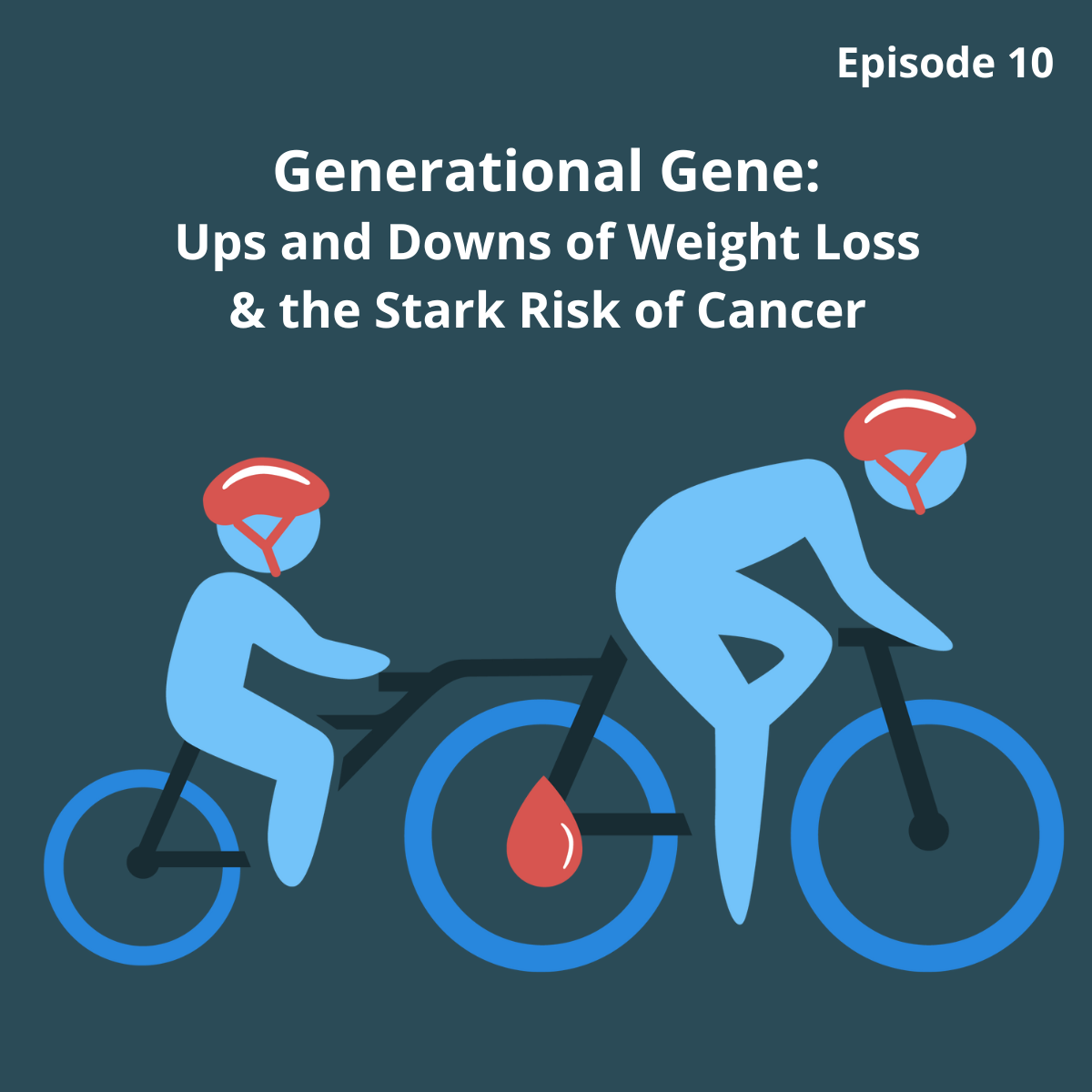
“Some days it feels like you’re pedaling to save your life,” says Gene, who frequently cycles the 200-mile Pan-Mass Challenge in support of Dana-Farber Cancer Institute. “And in a lot of ways you really are.”

“For me, part of the feeling that I had control of this was being active,” explained Cycling Sue, who has ridden the Pan Mass Challenge twenty times. “So, walking every day to the mailbox a mile away in town to bring my thank you notes was what I would do.”
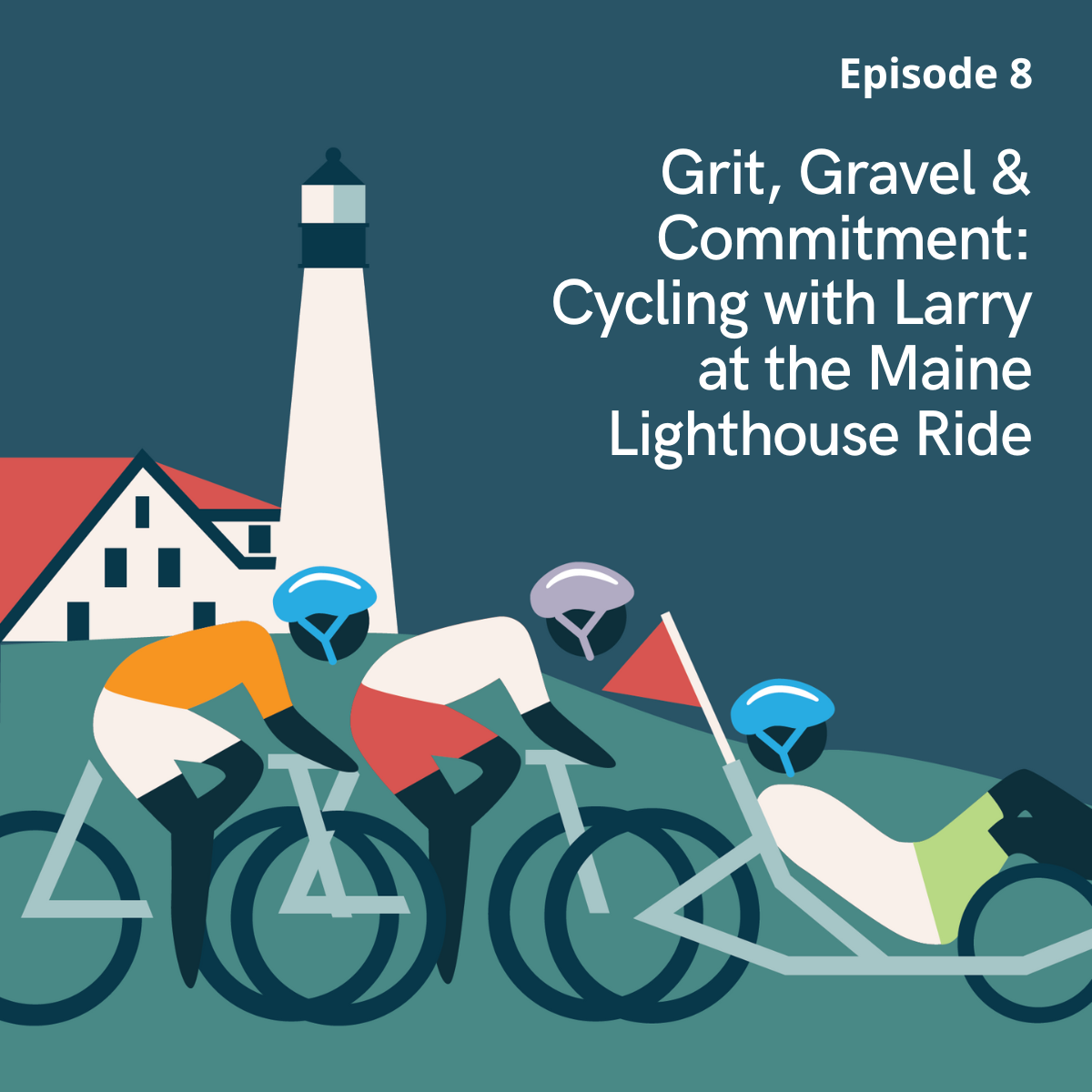
“Some of the determination of riding the hundred miles a month during chemo kept me physically enabled to do this,” Larry explained at the finish area of the Maine Lighthouse Ride, having completed the 40-mile route just a few months after chemo and a few days after breaking ribs on a training ride.
None of our protagonists are under the illusion that exercise alone can prevent or cure cancer in any of its many forms and stages. Yet all are firmly convinced of the power of exercise to render them physically and emotionally stronger in the face of the disease, the treatment, and the accompanying stress. We reached out to a number of respected experts for some informed viewpoints on the topic of exercise and cancer.
Q: The American Cancer Society notes that being overweight or obese can increase the risk of developing 13 different types of cancer. But it’s also well-known that sustaining weight loss or increasing muscle mass are difficult tasks. How does your organization message around this conundrum: that lowering body fat percentage is an important, yet difficult, goal with regard to cancer prevention?
“Research has identified a link between certain lifestyle factors and cancer risk. Losing weight can be incredibly difficult and I think it is important to also consider one’s overall health. I would encourage individuals to talk with their primary care physicians about their weight and medical conditions that we often see with obesity (i.e. diabetes, elevated cholesterol, high blood pressure, etc). Healthier lifestyle behaviors such as quitting smoking, limiting alcohol use and incorporating fruits/vegetables into one’s diet have also been associated with lower cancer risk. It may be helpful to reflect on one’s lifestyle and explore any potential barriers to losing weight (time, access to healthier foods, psychological reasons for eating a certain way, etc). Many healthcare systems have multi-disciplinary weight management clinics.”
“When working with individuals, we focus on the ‘why’. Why now? Why is improving your health important to you? What will you gain by making this change? We encourage people to state their desired change in the positive, as in, ‘I am going to… feel better, be able to hike with my partner, play with my grandchildren.’ Helping people identify what really matters for them, and using that motivator to continue to persevere in the challenge of improving one’s health, comes through a process of time, consideration, and accountability.”

Image: from National Institutes of Health, National Cancer Institute, “Obesity and Cancer”
Q: One oncology expert on our show commented that we know enough about the benefits of exercise for patients with cancer that the goal should now be to make exercise a part of the standard of care, along with chemo, radiation and other modalities. Do you agree with this general assessment?
“…I agree that as healthcare providers, we should absolutely be talking to our patients about exercise. Exercise has been shown to improve fatigue and quality of life during cancer treatment. There is even growing evidence that it may reduce recurrence risk for those with breast, prostate and colon cancer. It is important for providers to talk to patients about motivators and barriers to exercise. Fatigue, pain, and fear of injury are common barriers to exercise. We also need to be mindful of any conditions that may require modified exercises. For example, patients with bone metastases or skeletal fractures, elevated resting heart rate or low blood counts may need to avoid certain exercises or types of physical activity.”
“Yes, there is ample evidence supporting the benefits of exercise for improving quality of life, and it may even lower risk of recurrence and lengthen overall survival… Prescribing exercise alone may not be enough for many people; the ‘prescription’ needs to come with tailored support. If a doctor says, ‘I’d like for you to begin exercise’ that has the potential to overwhelm someone. If the doctor adds, ‘I’m ‘prescribing’ a coach or personal trainer to help you’… it may be less daunting and more likely to happen. We feel there is enough evidence for exercise training to be reimbursable as part of cancer care.”

“Prescribing exercise alone may not be enough for many people; the ‘prescription’ needs to come with tailored support.”
–Dr. Erin Van Blarigan, ScD, Associate Professor in the Departments of Epidemiology and Biostatics and Urology at UCSF
“Yes, there is a campaign on this right now called ‘exercise is medicine’ endorsed by the American College of Sports Medicine (ACSM). The ‘moving through cancer’ materials are great and I use them frequently to inform my work.”
• Dr. Courtney Stevens, PhD, Dartmouth Hitchcock Medical Center
Q: Exercising or increasing activity while undergoing chemo can be extremely challenging. But are there potential benefits to patients who can overcome fatigue to do so? What member of the healthcare team is most likely to encourage patients to implement an exercise program during chemo?
“There was a landmark study in 2017 that concluded that exercise and a combination of exercise + psychological interventions were more beneficial than stimulant medications in improving cancer-related fatigue. While national guidelines recommend 150 minutes of moderate intensity exercise (such as walking at a pace of 3-4.5 miles per hour) for cancer survivors, exercising for 90 minutes has been shown to improve fatigue, quality of life, anxiety and depression. I often suggest patients to take advantage of the days they feel good while receiving chemotherapy and to listen to their bodies when they feel especially tired. I also emphasize frequency of activity over duration. For example, walking for 10-15 minutes twice a day may be easier than trying to do a 30-60 minute walk in one session while on treatment… I would encourage individuals to see if their cancer centers offer supervised exercise programming either onsite or virtually…Additionally, I would recommend seeing a cancer rehabilitation physician.”
“Some of the potential benefits include improved self-confidence and self-efficacy as well as health benefits of maintaining muscle, improved balance, remaining independent, and reducing fatigue…Having a coach or personal trainer increases the likelihood of exercise, but it should be standard practice across the care team to encourage any movement, from gentle stretching and balance exercises to participation in an exercise program.”

Q: What are the mental health benefits of exercising during cancer treatment, and can they lead to better outcomes? In your view, has enough research been done on the relationship between mood, attitude and cancer treatment? In your view, what is the most important topic not yet well understood?
“Research has shown that patients with cancer experience anxiety and depression. This may relate to one’s physical health, social situation and other dynamics. These needs are unfortunately often under-addressed. Studies have shown that exercising in a group setting can be motivating and provide a social support system for patients as they go through treatment… A cancer diagnosis is so life-altering and some patients also experience post-traumatic stress months or years later as well. Furthermore, mental health concerns are one of the primary unmet needs among childhood cancer survivors. More research is needed to identify how to incorporate mental health screening and treatment into real-life practice.”
“…There is evidence that with greater than 90 minutes of moderate-vigorous physical activity per week, symptoms of anxiety and depression are reduced as well as fatigue. Physical functioning and quality of life improve with that volume of weekly activity. I can’t speak to the research on mood and attitude with respect to cancer treatment.”
• Dr. Courtney Stevens, PhD, Dartmouth Hitchcock Medical Center
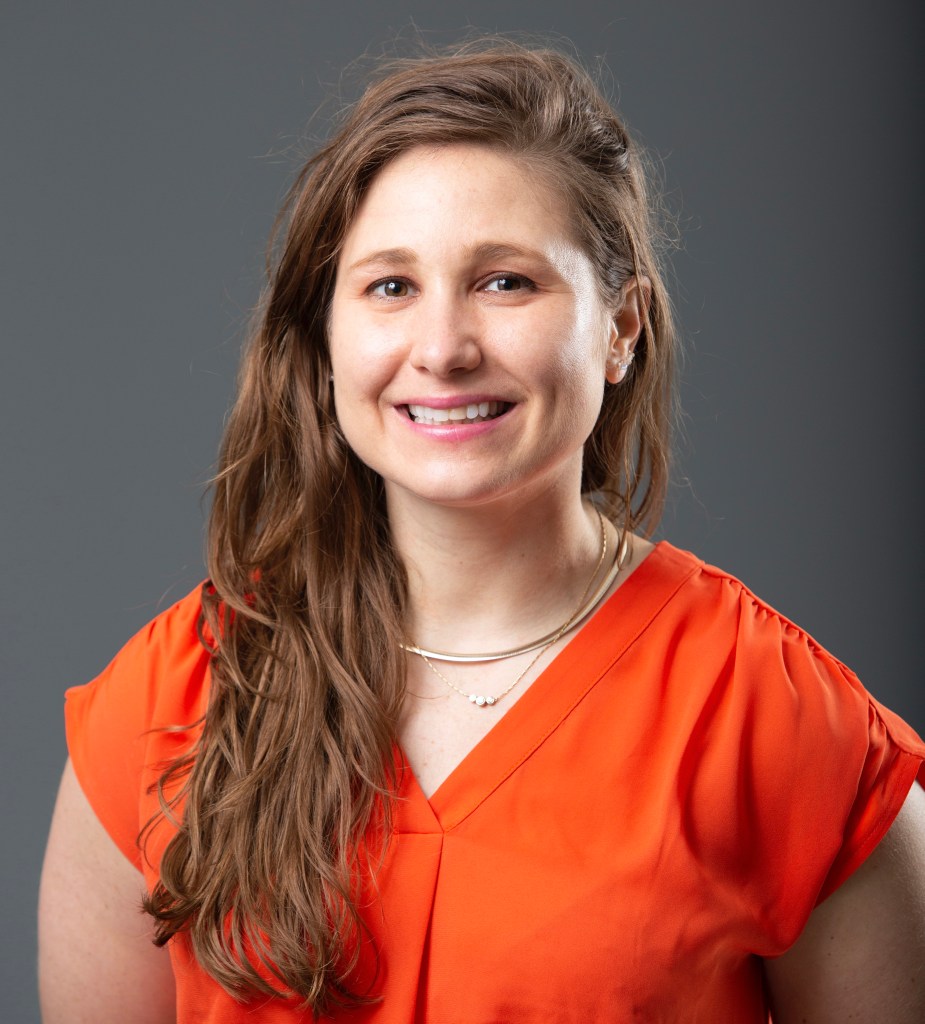
“Symptoms of anxiety and depression are reduced as well as fatigue.”
–Dr. Courtney Stevens, DHMC

Image: From American College of Sports Medicine (ACSM), the ‘Moving Through Cancer’ materials
Q: What are the most common misperceptions among the patient population when it comes to exercising with cancer?
“Misconception: ‘Exercise worsens fatigue’. It can sound counterintuitive to ask someone to exercise when they are already so fatigued. [But] exercise is the first-line recommended treatment for fatigue… Exercising at a vigorous intensity (75% or more of maximum heart rate, exercising to the point of exhaustion) may lead to physical injury, increased demand on the heart- more so if one has not already been exercising at this level. If patients stopped or significantly reduced their level of exercise during cancer treatment, they should gradually increase their regimen or seek guidance from an exercise or rehabilitation specialist.
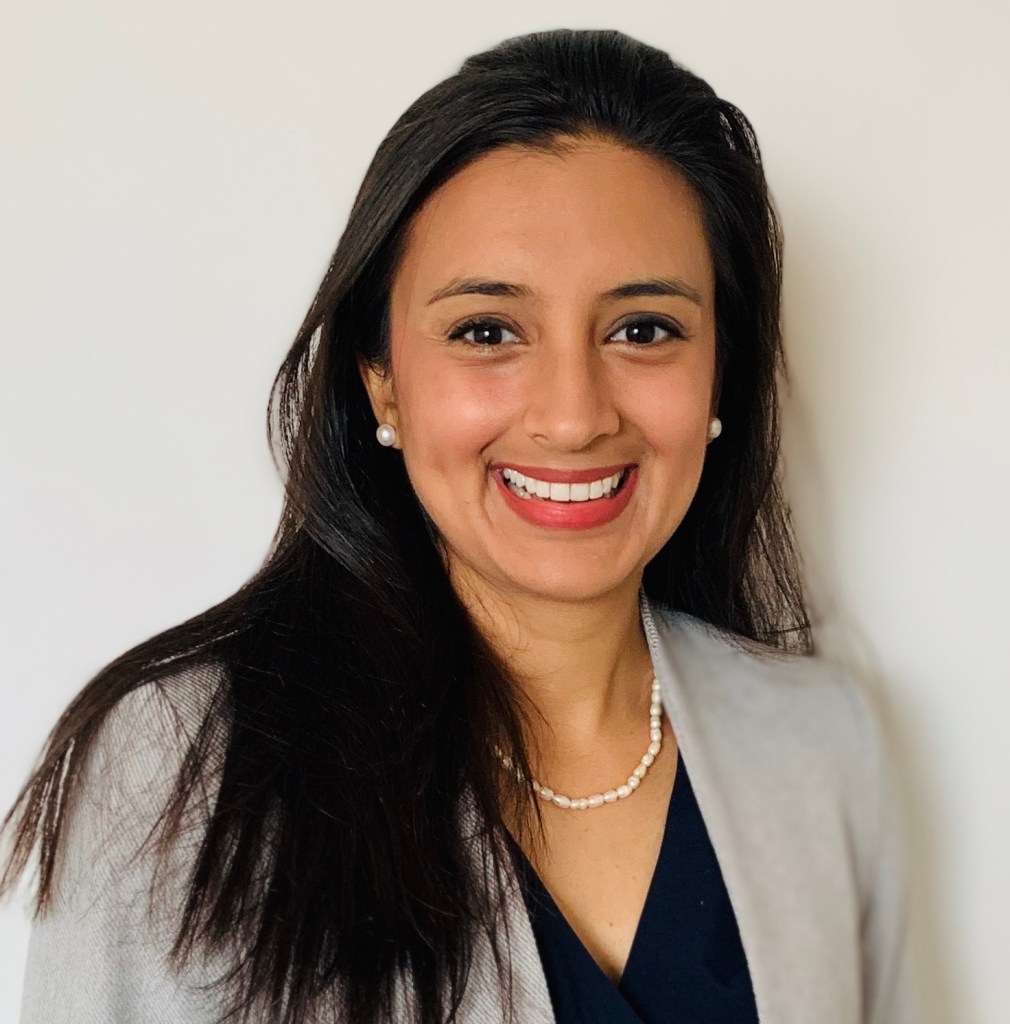
“It can sound counterintuitive to ask someone to exercise when they are already so fatigued. [But] exercise is the first-line recommended treatment for fatigue.”
–Dr. Sonal Oza, MD, Assistant Professor, Department of Rehabilitation Medicine, Emory University School of Medicine, and Cancer Rehabilitation Specialist at Winship Cancer Institute of Emory University
“A few common misperceptions include that: 1) Cancer patients need to have specific exercises or avoid some types of exercise. 2) Cancer patients should not push themselves. 3) Exercise needs to be a formal program at the gym… that activities like gardening, yard work, or walking the dog done throughout the day are not considered exercise and ‘don’t count’.”
“I think guidelines for exercise are not well understood. In my research interviewing breast cancer survivors, many have expressed beliefs that exercise needs to be done for lengths at a time (e.g., 30+mins) or at high intensity to be ‘effective’. That’s not what the science tells us (in fact, going from nothing to something is where the greatest health benefits are accumulated). Even very modest amounts of exercise can have clinically meaningful benefit in terms of improved survivorship outcomes… and reduced risk of cancer reoccurrence… Exercise does not need to feel unpleasant to be effective.”
• Dr. Courtney Stevens, PhD, Dartmouth Hitchcock Medical Center

“…It is important to do research to understand the physiologic underpinnings by which exercise will have benefits for people living with and beyond cancer. But I think that we know enough. And we need to make this happen in the lives of patients and caregivers. And so, to me, it is a crucial question, crucial and central question to ask, ‘How do we make it standard of care? How do we, how do we shift this so that people see this [exercise] as being as important as their chemotherapy?’”
-Dr. Kathryn Schmitz, PhD, MPH in Season 2, Episode 8
“Cellulose and fat tissue is biologically active, which means that they produce hormones and they have signals that are sent throughout the body. And they’re basically considered an endocrine organ in that sense. So these signals that the fat cells send out can be carcinogenic, or cancer causing, essentially.”
––Dr. Chika Anekwe, in Season 2, Episode 10

Additional Links:
Dana Farber Cancer Institute: Tips for Exercising During and After Cancer Treatment
MD Anderson Cancer Center: Exercise and cancer: Your training guide
UCSF: Helen Diller Family Comprehensive Cancer Center: Cancer Exercise Classes & Counseling
Emory University Winship Cancer Institute
Dartmouth Health: Survivorship & Exercise
Mayo Clinic Minute: Updated exercise guidelines for cancer patients, survivors
Cleveland Clinic: Cancer Risk Factors
Memorial Sloan Kettering Cancer Center: Exercise and Recovery, Donna Wilson as Speaker